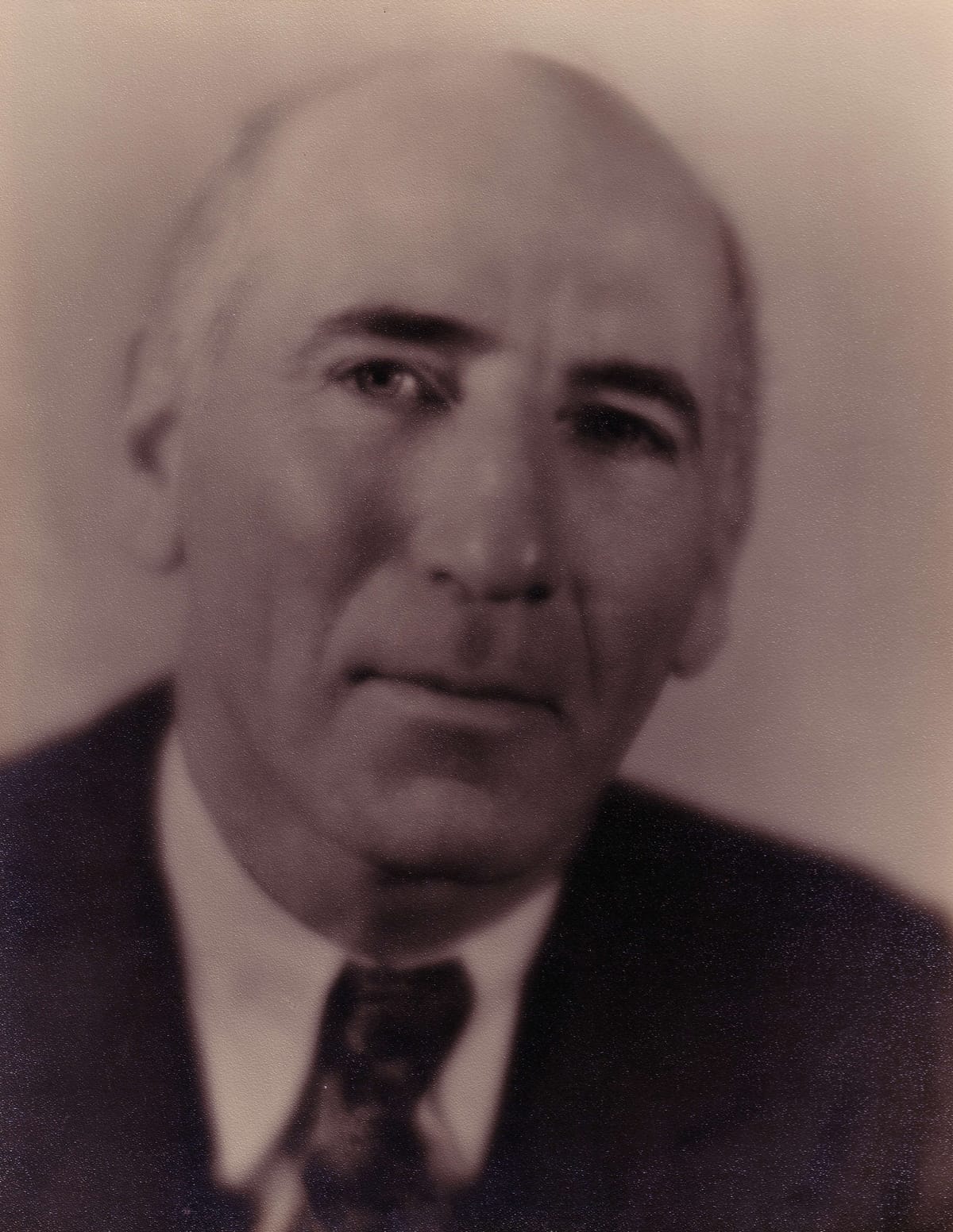
We were astounded by the absence of information about the amazing blind author of Follow My Leader, who accomplished so much for others in his 102 years! Garfield spent his whole long life helping others, especially the blind — yet even many blind people and organizations are unfamiliar with his enormous impact on their world. He was truly the kind of human we all should aspire to be.
Fortunately we were able to connect with his granddaughter, Amy Lazarus, and her mother Carolyn (the “Carolyn” of the story), who both generously shared their time, anecdotes, and family photos with us. With their help, we've written the biography below. (We've also made a video biography.) We hope you'll help spread the word about this extraordinary man and his legacy.
The Blind Leading the Blind
How James B. Garfield brightened the world
by Becky & Jenny (2013)
Published in an era when the well-intentioned often saw the “different” as pitiable and deserving of help, Follow My Leader presented a clearer view. Although Jimmy, the 11-year-old protagonist blinded by a firecracker, has very human moments of anger and petulance, with the help of others he's able to learn new skills, discover his capabilities, adopt a new attitude, and earn opportunities and respect. His return to self-sufficiency leaves readers in awe of, not in sympathy with, the vision-impaired.
Though reviewers make it clear that Follow My Leader and its themes have long been treasured, author James B. Garfield seems to have managed the unthinkable: near-complete Internet absence. Enter his name in a search bar and you’ll get nothing but an orange cartoon cat and an assassinated president. One single article, published in The Blind American in 1962, exists to shed light on the man who wrote this well-loved, transformative book.
But we found that one article truly – well, eye-opening. It’s quite evident that James B. Garfield was a man whose life and legacy should be far better acknowledged. He lived an intensely industrious, philanthropic life of almost 103 years – the final 43 of which were dedicated to lightening loads and enlightening the public on behalf of his fellow blind.
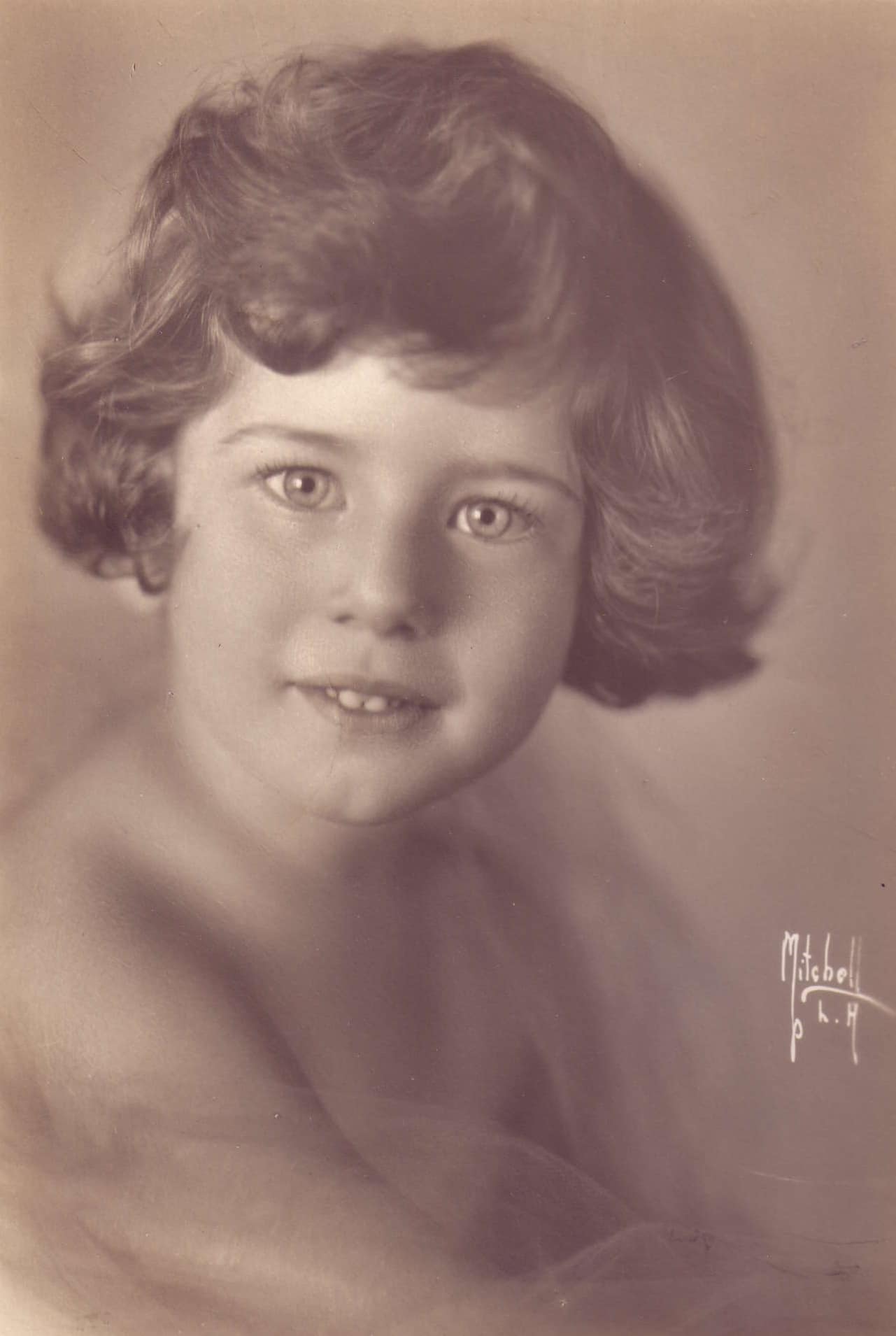
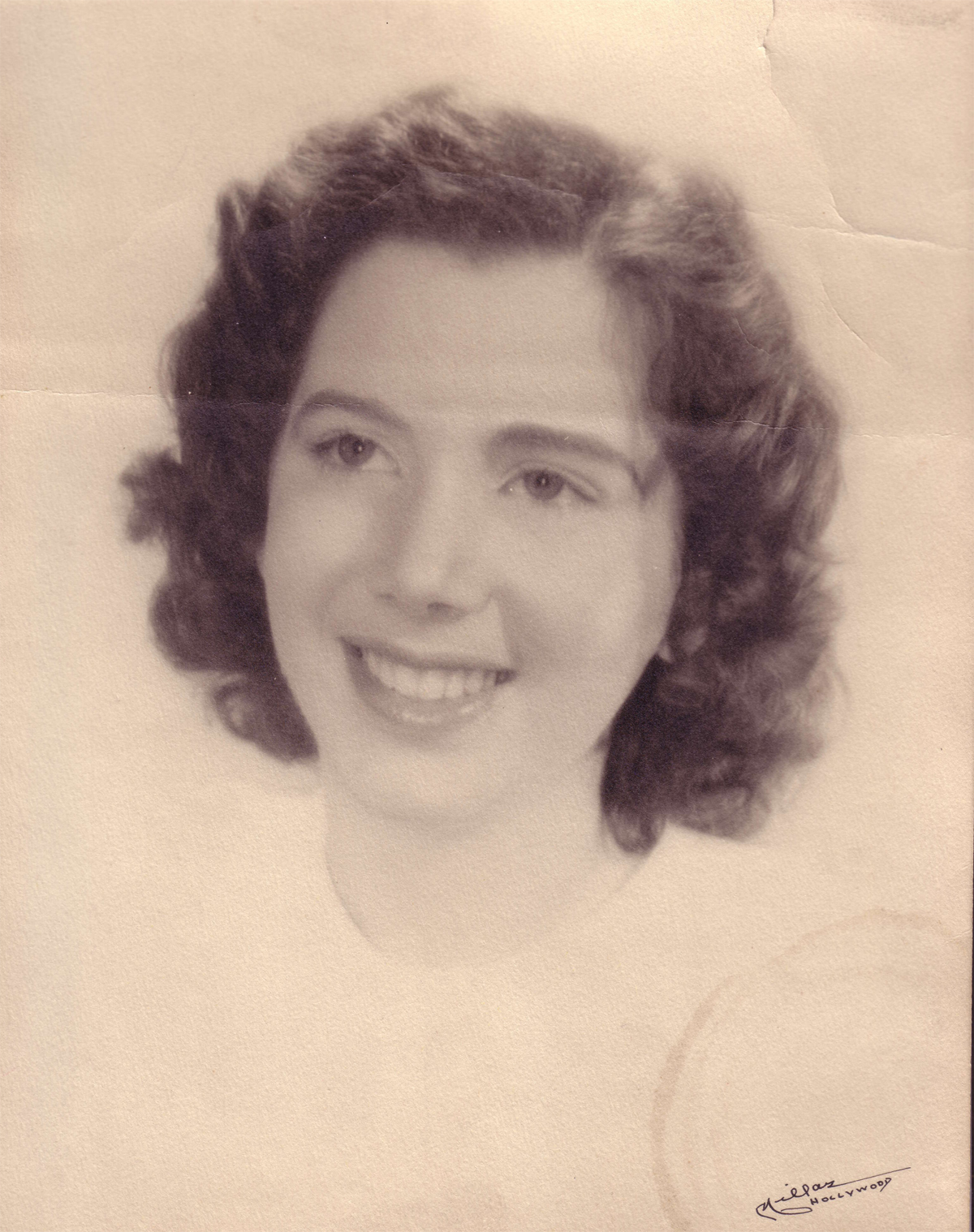
So with the help of Garfield’s daughter Carolyn and granddaughter Amy Lazarus, who graciously shared the photographs included here, we'd like to help draw back the curtain on the life of this remarkable man--a man who contributed far more to humanity than just his beloved book.
Birth, Broadway, and WW1
James Bandman Garfield Eichberg wasn't born a leader. On September 19, 1881—the day of President Garfield’s assassination—he followed eight siblings into the world. His mother, having hoped for a baby girl, kept James in kilts and long curls far too long, which earned him a few taunts from the neighborhood boys and his numerous brothers. As a result he became “quite a fighter."* But he had more than feminine styling working against him. James had tunnel vision as a child, and the family doctor predicted that he would go blind very young. Somehow he retained his sight for decades.
Perhaps sheer willpower was a factor, as he was determined to act onstage. James dropped out of high school, dropped his surname, and picked up a Broadway role. Though his eyesight was poor, it served him well enough to get him on the stage of which he had dreamed, and then into the Great War, of which he most certainly had not.
Radio, Writing, and Acting
Once the war and his role as a sergeant-major in the Air Force were over, his theatrical inclinations branched into radio. As a freelance radio artist, James wrote dramas and would eventually act in over 2,000 soap operas. He also organized the first professional actors’ organization, “White Rats,” in 1910, which was later absorbed by Actors’ Equity. In 1926 his wife, Edith Weil Eichberg, gave birth to Carolyn, and four years later the family moved to Hollywood.
Edith was not in good health, and James needed someone to help care for their child. Carolyn was sent to a boarding school where most of the students went home at the end of the day. Carolyn, now 86, remembers being utterly miserable. When the school finally advised her father of her misery, he promptly pulled her out and sent her to live in Georgia with his sister Ruby, who raised her.
Grief and Blindness
In 1937, when Carolyn was only eleven, her mother passed away in California. And another darkness was encroaching upon her father, who had enjoyed a decade of success in radio there. By 1940, he was completely blind.
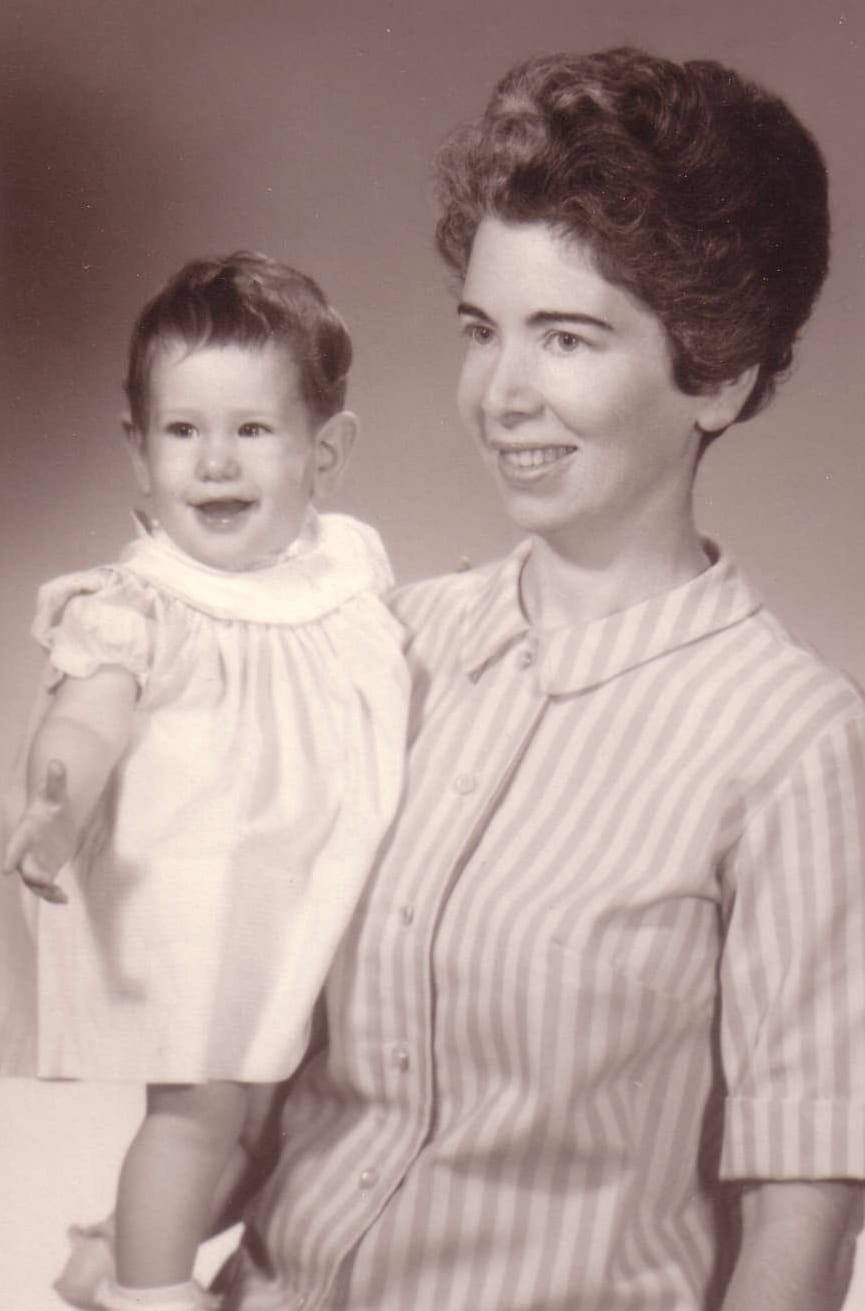
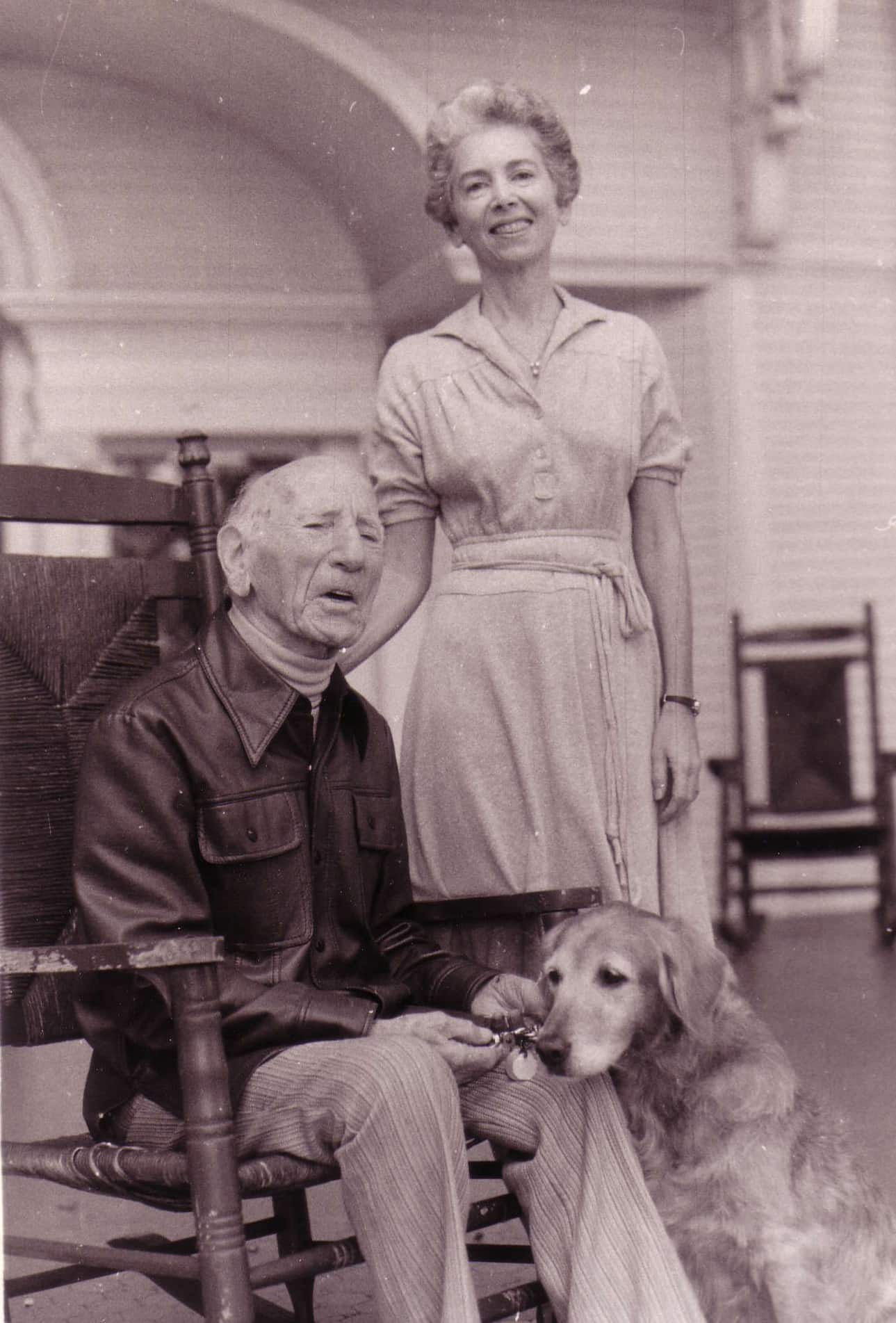
James B. Garfield’s daughter Carolyn Photos courtesy of her daughter Amy Lazarus
A Second Life: Leadership and Advocacy
But James B. Garfield, at sixty, had only just begun to serve. He acquired the first of his guide dogs and worked in an aircraft plant, where he became acquainted with other blind people and their problems – such as being laid off after World War II, when the defense plants closed. Wanting to help, he attended a meeting of the LA County Club of the Adult Blind (an affiliate of the California Council of the Blind) – and was offered its presidency that very night.
His acceptance, in his mid-sixties, marked the beginning of the second half of his life. It was a post he would hold for 12 years as he zealously pursued rights for blind people. His efforts would include thwarting the 1947 attempt to amend the constitution that would have threatened the Welfare and Institutions Code of California. He was also instrumental in the creation of the State Board of Guide Dogs for the Blind that year.
Teacher
His original career as an actor and radio dramatist segued into a teaching position at a radio dramatics school founded by the American Federation of Radio Artists, where he helped World War II veterans brush up on their skills to return to broadcasting.
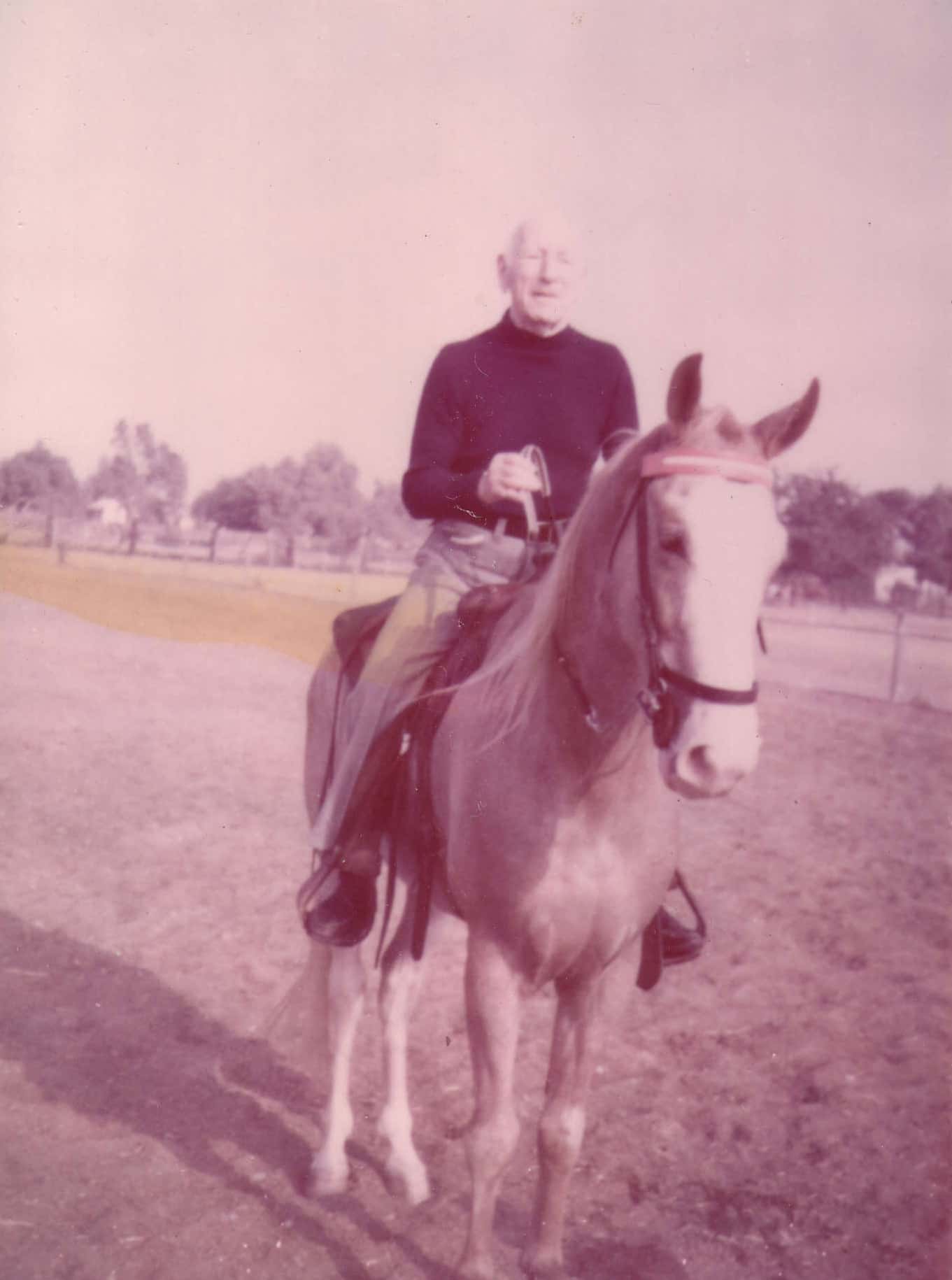
One day one of his students, actor Paul Lukather, took him to his horse farm, where James asked to ride. “You’re going to ride blind?” someone asked, aghast. James gave a characteristically isn’t-it-obvious reply: “Well, I’m blind, so if I’m going to ride, I’m going to have to ride blind, aren’t I."*
It’s the same sort of scene that played out when he swam, a scene he later recreated for Jimmy in Follow My Leader. Like his namesake in the book, James didn’t ever let blindness prevent him from doing what he wanted to do. He strongly believed in the ability – and worked for the rights – of blind people to do anything they wanted.
Radio Host and Author
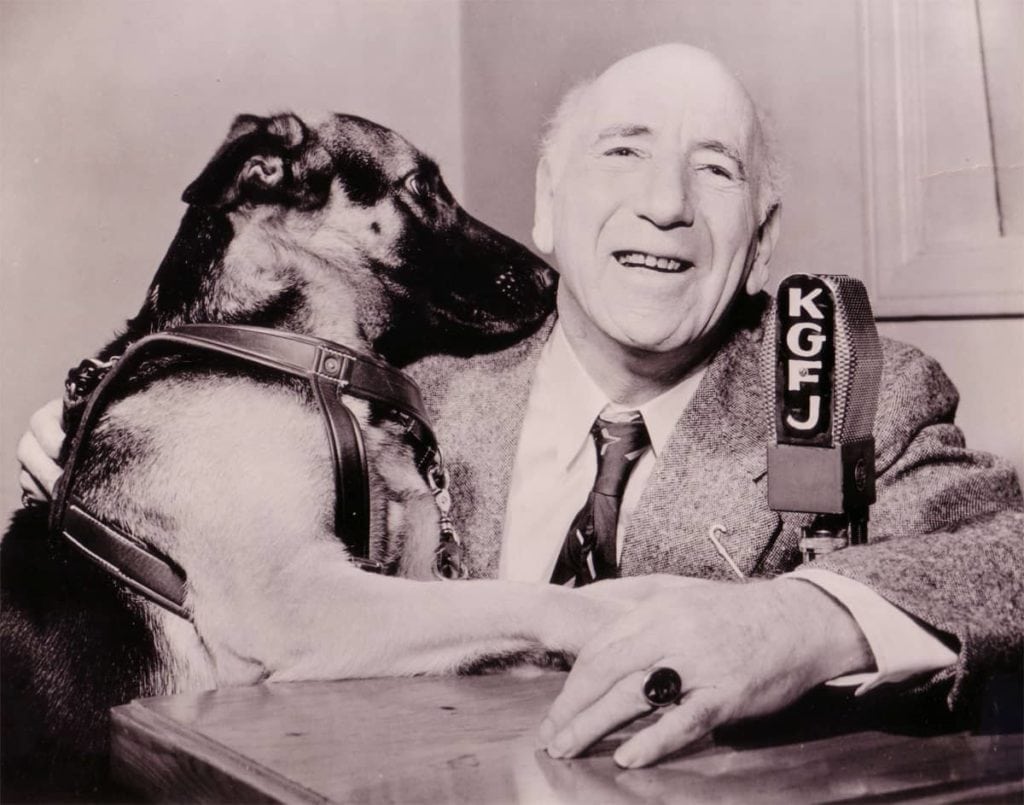
To publicly emphasize the equality, humanity, and rights of the blind, James began his own program in 1947, “A Blind Man Looks at You” on KGFJ in LA. For fifteen minutes once a week he raised awareness about the needs and goals of blind people – the most important, of course, being understanding. The show would run for twenty years, and James would receive many awards and honors for his role in raising awareness.
It was during this time that James wrote his first book, Follow My Leader, the story of a blind boy and his guide dog, published in 1957. Though a second book, They Like You Better, was published two years later, it’s Follow My Leader that baby boomers and their kids remember and love. The book draws deeply on Garfield’s own experiences, from the protagonist’s name and guide dog acquisition, to the way in which Jimmy and James both swam blind in streams.
Carolyn was in her thirties by the time it was published, but Amy, the youngest of his two granddaughters, first read the published book as a third-grade class assignment in the 1970s. (Amy is pictured here in her mother's arms.) She remembers being proud that her granddad had written it, but what stands out most in her memory is her reaction, the same one of kids across time: the impulse to close her eyes and pretend she was blind, and the relief that she could open them and see.
James B. Garfield continued to raise both funds and awareness, and was in constant demand as a speaker, either as an advocate for blind people or as the author of Follow My Leader.
A Third Life: Official Roles at High Levels
He continued to serve in official roles as well. In 1960, at age 79, he began serving his second term as secretary of the California Council of the Blind. And by 1962 the octogenarian, now working with Flora, his third guide dog, had been appointed to the State Board of Guide Dogs for the Blind by three consecutive governors. His work directly influenced the high standards held by California guide dog schools, as well as the passing of legislation that permits guide dogs to be present in traffic and on public transportation. He also initiated a fundraising effort for building the Atkinson recreation center at the Braille Institute of America, where he taught and advised.
Most people who reach their ninth decade with so many achievements behind them might choose to retire. But "There is too much to do yet," he said in an interview for The Blind American that year, "especially in the field of educational and employment opportunities for our young blind people. I intend to help until we gain a fair and equal chance in our society for these kids."**
Family Legacy and Love of Learning
Though most of Carolyn’s childhood was spent far from her busy father, she had visited him while attending UCLA, where she majored in commercial art. Clearly influenced by her father’s humanitarian bent, she made a shift from one field to another to serve the disadvantaged. After returning to Georgia and finishing her degree, she did social work for the Atlanta Traveler’s Aid Society, where she helped runaways, and then she went to New York to serve as a medical social worker for the New York state hospitals.
No matter the distance between them, Carolyn had always felt the bond her father had with her – and with his dogs. One day, as a college student, she had taken Midgie, his German Shepherd guide dog, for a walk when the dog pulled away and escaped. Carolyn gave chase, but Midgie, enjoying what seemed a game, evaded her. Carolyn had to return without the invaluable, beloved dog. “Dad,” she said, heart thumping, “I lost your guide dog.” He simply went to the door and whistled, and Midgie bounded over the threshold. When such canine misbehaviors occurred, his method of correction was to strike his own wrist – never the dog – with the leash. This act would horrify the dog, and correct the behavior very effectively.*
James Garfield’s nature was deeply philosophical and nondivisive – he “voted the man,” and as for religion, he “believed in all of them.”*** His lifetime portfolio of writing would include poetry, stories, and poems for juvenile magazines; plays and vaudeville sketches; more than 2,000 soap operas; two murder mysteries, a biography, a philosophical book of poems, and a book of philosophy. His passion for learning was reflected in his acquisition of eight languages or dialects and his unflagging zeal for achieving his goals. “He had a wonderful zest for life,” Carolyn says warmly.*
Her daughters, Amy and Ann, seem to have inherited that zest, along with his intellect and integrity. Ann has a BS in management and is raising two sons, Ryan and Scott; she and her husband are actively involved in their sons’ scouting activities. Amy has a BS in industrial engineering, an MBA, and her granddad’s writing gene; she’s working on a legal thriller, and may soon, we hope, be editing and republishing some of his out-of-print works. Both daughters care for their mom and others in ways that would make their granddad very proud.
Time to Rest
When James B. Garfield moved to Valdosta, Georgia under Carolyn’s care, he was over a hundred years old. But he still wasn’t ready to give up his independence. For at least another year he continued to live alone, with in-home help and his last dog, Coral. He was 102 when he moved to the Fellowship Home Retirement Community, where, though his mind was still sharp, pneumonia set in. In yet another characteristically wry response to the obvious, he quipped, “It wasn’t the cough that carried him off, it was the coffin they carried him off in!”*
But even the most industrious and determined of men must eventually rest. In March 1984, this great humanitarian – a man who had given his gifts to audiences, his country, war veterans, the blind, his family, thousands of fans, and millions of readers to come – finally closed his eyes and went into the dark. But we who follow this tireless leader can still see the trail of light he left behind.
---------------------------------------
All photographs are courtesy of Amy Lazarus and Carolyn Lazarus. * Interview with Carolyn Lazarus, April 4-5, 2013. **Mannino, Anthony. "Success Story of an ‘Old Trouper’." The Blind American 22 February 1962. Vol. II No. 2. Web. National Federation for the Blind.org. 18 March 2013.