There's something about pirates' lingo and attire that overrides the fact that they're wicked criminals--at least the pirates in literature! Robert Louis Stevenson clearly knew that, and let his bad guys be as terribly fascinating as we want them to be. Those bad guys, in fact, give us three good points to teach from his masterpiece, Treasure Island.
We did our best to get these three teaching points across to kids in hands-on, memorable ways. It's amazing how much kids can learn while they're "just" having fun!
1. The Difference Between Good Guys and Bad Guys
For discussion: With two parties equally determined to get at stolen goods, it’s not always easy to tell the difference between the good guys and the bad. After all, both groups have a common goal, strong leaders, a sense of duty, and sets of rules. The treasure had never belonged to our heroes--so why they should get the gold? Is it just because the story is told from Jim’s point of view? “I take up my pen in the year of grace 17__ and go back to the time when my father kept the Admiral Benbow inn…” Is Jim a reliable narrator? Why or why not?
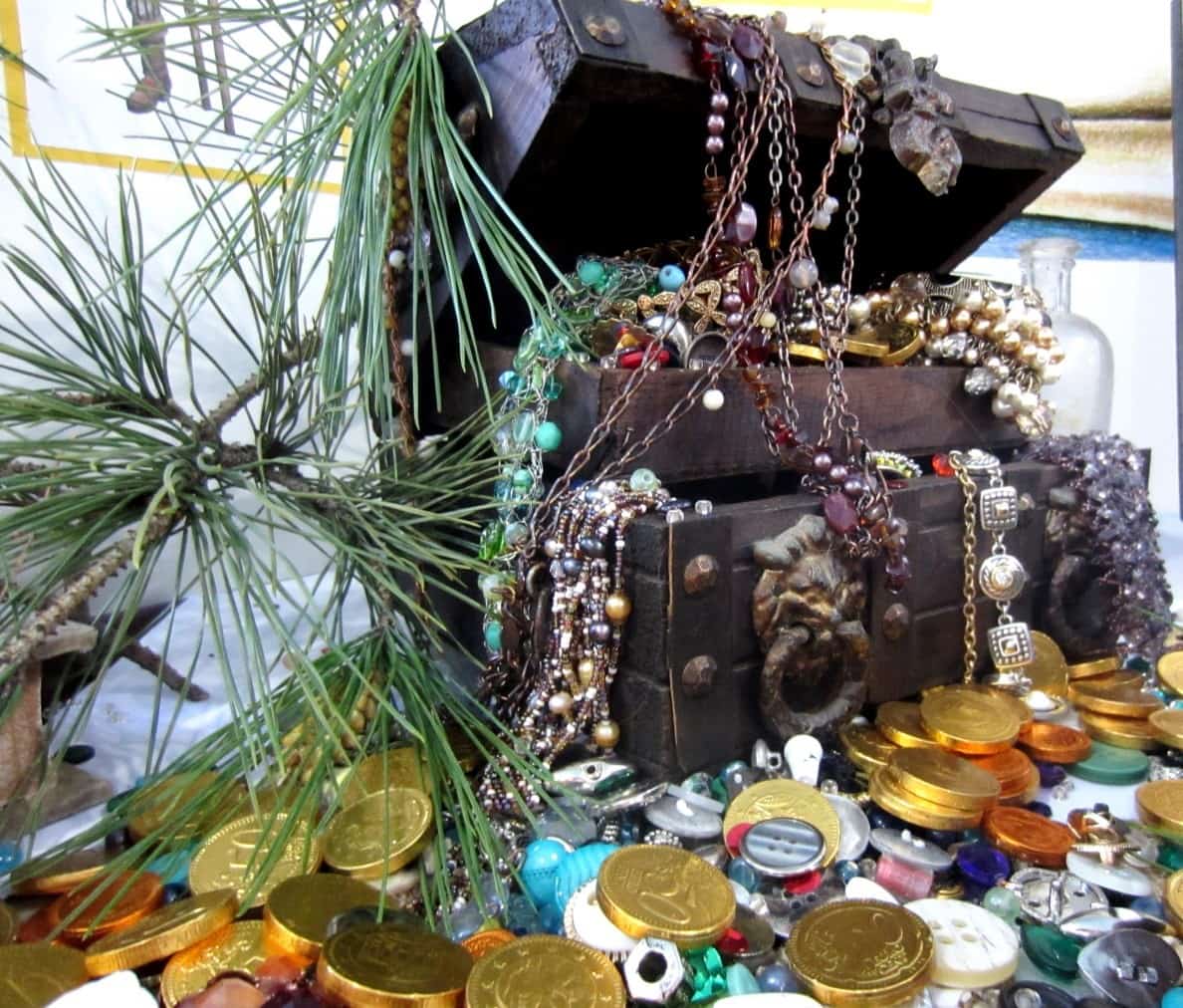
For discussion: Most of the characters in Treasure Island risk their lives for a pile of gold. Ask your kids about their own treasures – what would they grab if they had to leave home quickly, without time to pack? Why is it important to them? Where would they hide it? Talk about sentimental, financial, relational and other kinds of value, and encourage discussions about their respective merits. Jim gains far more important treasures by the end of the book--like maturity, courage, compassion, and some law-abiding friends.
For fun: Our "All for Nothing" project gets kids' hands on this point, and their heads around the idea of true value.
3. The Pirate Life
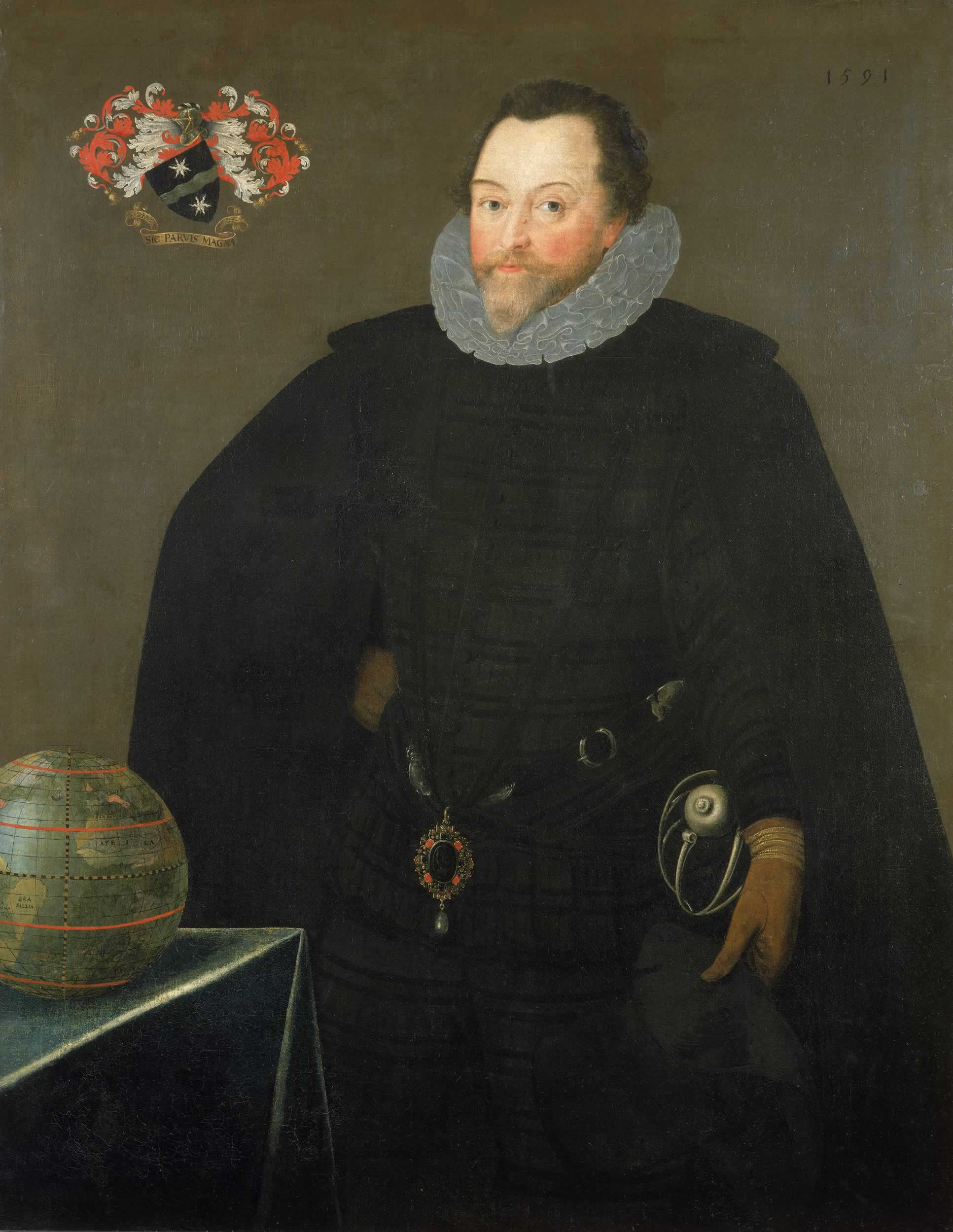
For discussion: Pirates in books come off as made-up characters, like trolls or giants. But one-legged pirates in bandanas were once real and common, and so were government-authorized pirates, called privateers, like Sir Frances Drake (pictured above). Privateers were supposed to harass ships of enemy nations, but they often plundered and murdered as well. Female pirates existed too, like Madame Cheng, Mary Read, and Anne Bonny.
It sounds exciting, in an awful way, from a distance, but the day-to-day life of pirates was filled with discomfort and boredom. They lived with rats and disease, and without nutritious food or medical attention. They lived on salted pork and bug-infested biscuits, sometimes resorting to gnawing on old leather and sipping broth made from boiled bones. They rarely had fresh water, which is one big reason they drank so much alcohol. If they lost an eye or a leg, they just had to sweat it out until the wound closed.
On the other hand, there was a pirate code of honor that meant they might be treated more respectfully than they had been on a merchant or military ship. Disagreements were settled by vote, and they were paid more for higher-risk work and lost limbs. Disloyalty and thievery (from each other) were harshly punished. For some sailors, piracy meant better treatment, despite its risks.
Piracy still exists, of course. You might ask the kids how today’s pirates, their goals, and their methods, be different from those of Treasure Island – or are they the same?
Come on over and see what else there is to learn, and get more creative ideas and resources for teaching Treasure Island!
Got another good point?
We'd love to hear your own reasons for teaching this book, along with the fun ways you get those points across. With your permission, we'll share them below!