History and literature are full of caricatures, aren’t they? The Queen, The Servant Girl, The Cook, The Princess, The Pioneer . . . Each title brings with it a little vignette in our minds, like it or not. We can’t help it! Some are snapshots in full color, others are cartoonish outlines with exaggerated features. We’ve drawn them from children’s stories, movies, museums, and textbooks. Each of us has created a big scrapbook of impressions we carry around in our heads.
In my mental scrapbook, for instance, The Queen is obviously, ostentatiously royal. She wears silk, is surrounded by servants, sleeps in a humongous canopy bed slung all about with velvet and brocade. She wanders through manicured gardens, gives expansive orders. Sound about right? The Servant Boy, by charming contrast, has smudges on his cheeks and wears rough clothing. He’s poorly shod and needs a haircut. Pioneer Woman has a sunbonnet,and rough hands from hoeing and such. She wears faded cotton and eats a lot of cornmeal and pork products.
But behind these stereotypes and caricatures are lives. Eating, sweating, breathing, dream-filled and driven lives. Even fictional characters have between-the-lines experiences, don’t they? What do they do when the author’s pen begins to sketch someone else’s scene, or the camera of history turns away?
This curiosity is what led to my “What was it like to be her?” phase, during which I devoured Lady’s Maid, about the servant of the poet Elizabeth Barrett Browning; Girl with a Pearl Earring, about the girl who modeled for Vermeer’s famous painting; Memoirs of a Geisha (self-explanatory); and one of the many biographical novels about the last empress of China, the name of which I can’t recall. I really wanted to know what these women did with the corners of their days. What they thought about, how they felt, what sort of routines framed their existence.
And this curiosity, which all of us have, is what makes reading and learning with kids so much fun. Asking “What was it like to be Tom Sawyer?” leads us to a hands-on exploration of his favorite toys, the things he ate, the way he spoke. Wondering “What was it like to be Sara Crewe, in A Little Princess"-- or to be Johnny Tremain, or Black Beauty--draws us into a place where that one curious question leads to a swarm of others, and asking and learning and understanding all happen together.
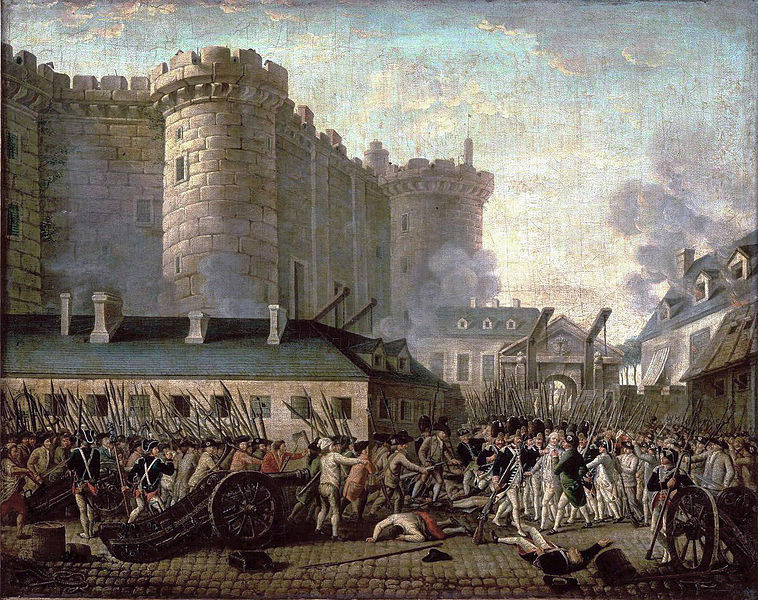
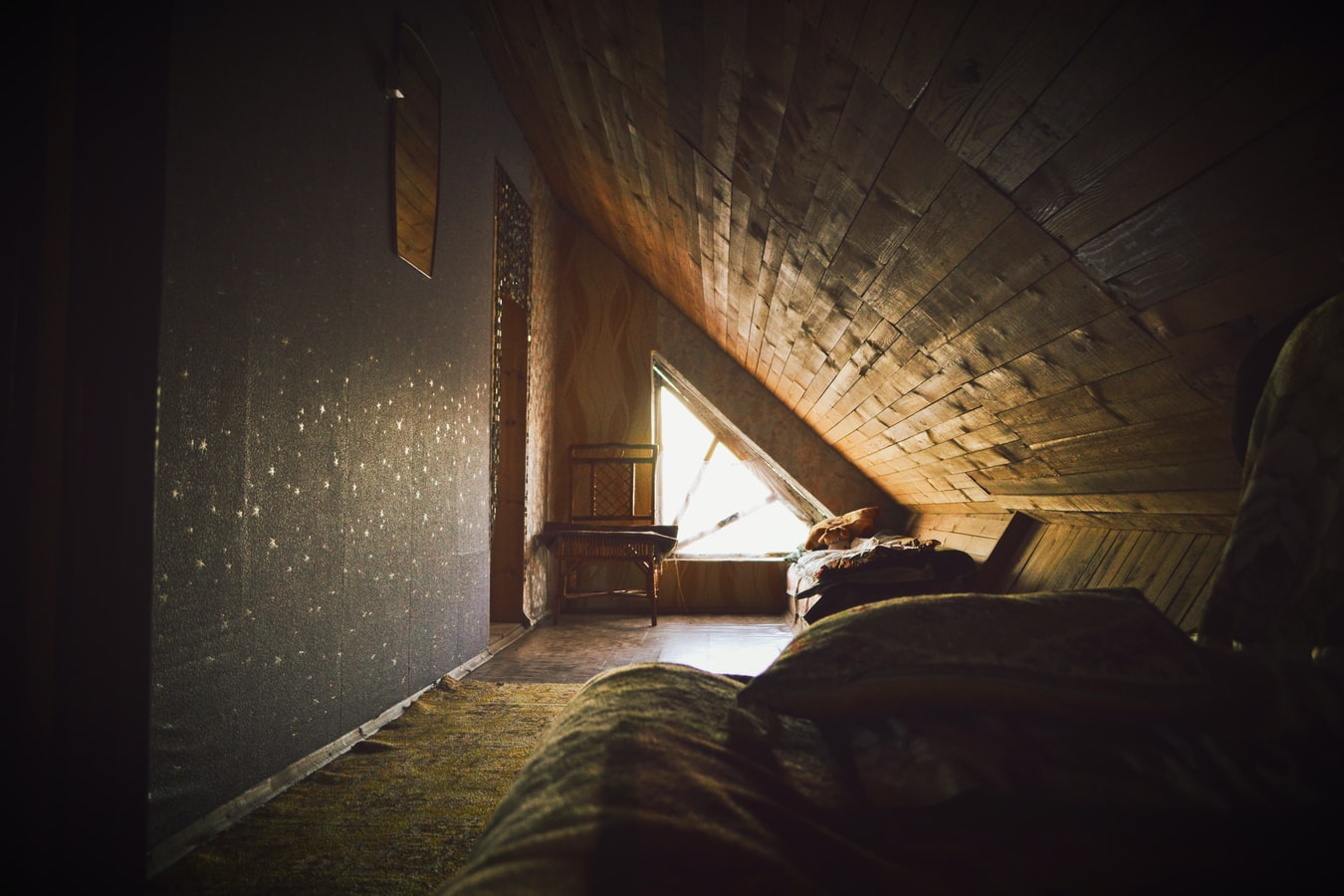
For instance, when relegated to the attic of her boarding school, Sara pretends she's a brave prisoner in the Bastille, which makes us wonder what that was really like for real prisoners, both the peasants and the aristocrats, which makes us wonder what they might have been doing at the moment of arrest, which makes us wonder how their inner voices might have differed. Like Sara, our curiosity about "What was THAT like?" sends us off to find answers in other stories, and extends the chain of wonder indefinitely. Tangential learning opens our hearts and minds to an endless network of questions, whose answers prove that everyone is interesting.
Here's a scene from A Little Princess that shows us these big ideas of wondering what that was like, learning by curiosity, putting yourself in someone else's shoes, and discovering that everyone has and IS a story--even a rat and a mean headmistress:
Ermengarde was interested, as she always was. "When you talk about things," she said, "they seem as if they grew real. You talk about Melchisedec [the rat] as if he was a person."
"He IS a person," said Sara. "He gets hungry and frightened, just as we do; and he is married and has children. How do we know he doesn't think things, just as we do? His eyes look as if he was a person. That was why I gave him a name."
She sat down on the floor in her favorite attitude, holding her knees.
"Besides," she said, "he is a Bastille rat sent to be my friend. I can always get a bit of bread the cook has thrown away, and it is quite enough to support him."
"Is it the Bastille yet?" asked Ermengarde, eagerly. "Do you always pretend it is the Bastille?"
"Nearly always," answered Sara. "Sometimes I try to pretend it is another kind of place; but the Bastille is generally easiest—particularly when it is cold."
Just at that moment Ermengarde almost jumped off the bed, she was so startled by a sound she heard. It was like two distinct knocks on the wall.
"What is that?" she exclaimed.
Sara got up from the floor and answered quite dramatically:
"It is the prisoner in the next cell."
"Becky!" cried Ermengarde, enraptured.
"Yes," said Sara. "Listen; the two knocks meant, 'Prisoner, are you there?'"
She knocked three times on the wall herself, as if in answer.
"That means, 'Yes, I am here, and all is well.'"
Four knocks came from Becky's side of the wall.
"That means," explained Sara, "'Then, fellow-sufferer, we will sleep in peace. Good night.'" Ermengarde quite beamed with delight. "Oh, Sara!" she whispered joyfully. "It is like a story!" "It IS a story," said Sara. "EVERYTHING'S a story. You are a story—I am a story. Miss Minchin is a story." And she sat down again and talked until Ermengarde forgot that she was a sort of escaped prisoner herself, and had to be reminded by Sara that she could not remain in the Bastille all night, but must steal noiselessly downstairs again and creep back into her deserted bed.
Curiosity fattens up our mental scrapbooks with empathy, compassion, and imagination. It requires us to unloose the bindings so we can add more pages and include more sensory input. Pretty soon those scrapbooks don’t hold just caricatures, but vials of scents, stacks of fabric swatches, and giant, fold-out timelines and pop-up figures.
“Curiouser and curiouser…” cried Alice, as Wonderland began to work its magic. And curiouser and curiouser may we become, teaching our kids how fun it is to wonder, and how rich life is when we don’t forget to ask, “So . . . What was THAT like?”