Great Books for Building Character in Kids
by Becky
We’ve been talking a lot about influence here at LitWits lately, and the ways we’ve been shaped for life by our favorite books. More specifically, by the characters in those stories who taught us invaluable things about the world and ourselves. We have these conversations all the time, of course, but especially when we’re choosing books to "LitWit," and considering the protagonists we want to introduce to kids, and why.
Here's a short list of some of our favorite “influencers” from great books.
First, there are the real troopers.
To name a few . . .
All Creatures Great and Small by James Herriot
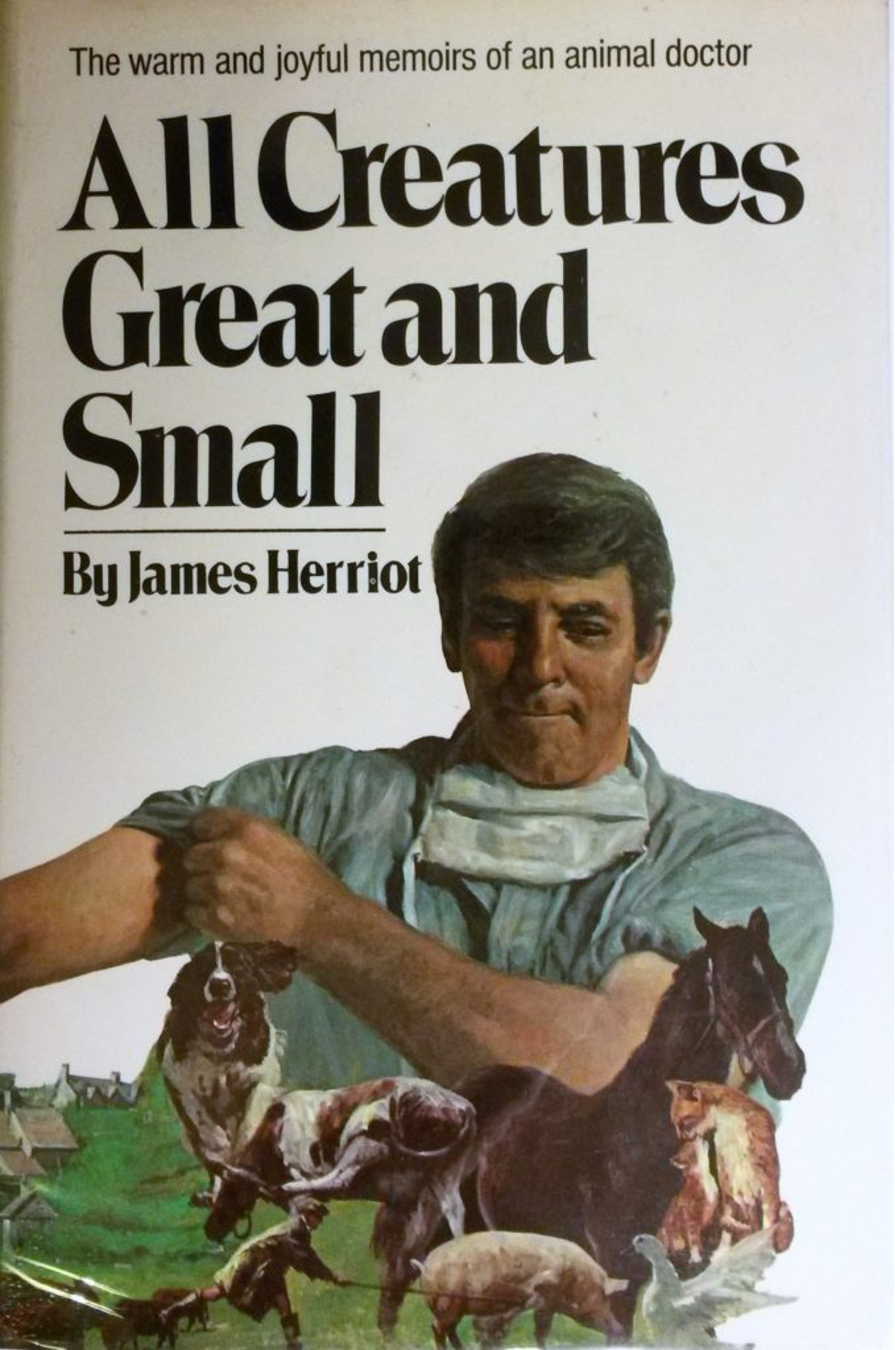
James Herriot, our favorite vet
In All Creatures Great and Small and the books that followed, Dr. Herriot was constantly being called out of his warm, cozy bed and into a freezing, dirty Yorkshire barn to help some poor farm animal in distress. He did this EVEN THOUGH his wife was so warm and cuddly next to him and the farmer was grumpy and unappreciative, and the animal sometimes died. He just did what needed to be done.
One reason his vignettes, and the book as a whole, stayed with us is because of its humor. Dr. Herriot not only showed us an admirable work ethic, but the necessity of laughing at yourself.
For more about this book and lots of fun ways to share it,
see our Creative Teaching Ideas for All Creatures Great and Small.
(We've got a video workshop for kids, too.)
Black Beauty by Anna Sewell
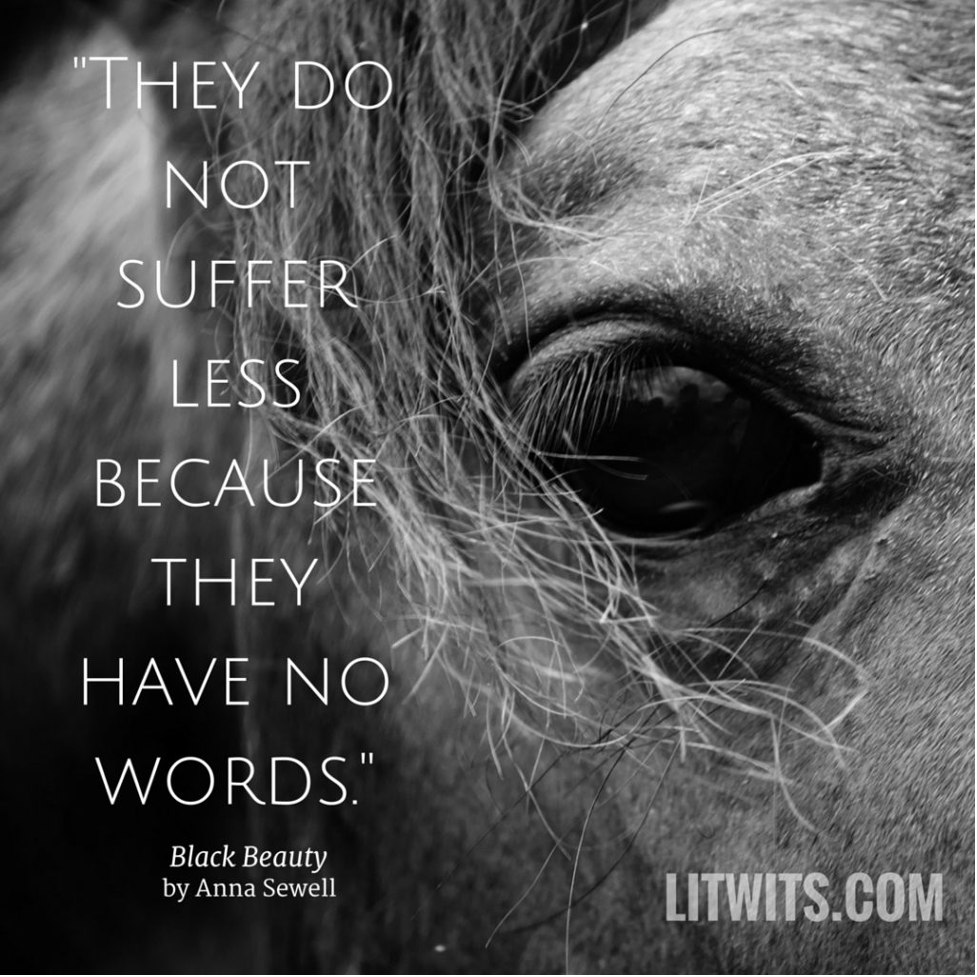
Our favorite animal-rights activist
Black Beauty’s mother taught him (and us) to always do what’s right, even when you’re tired and mistreated. Even when some well-meaning person does you harm, or a mean-spirited or selfish person causes you pain.
Black Beauty also made it clear that ignorance is no excuse for hurting others. He taught us to treat ourselves and animals with respect. Joe Green, who once ignorantly caused Beauty to get sick, was also a huge influence on us. All of us make mistakes, but he showed us that we can not only learn from mistakes, but earn full redemption. In this scene from Chapter 20, his good heart and the actions he takes turn him into a man. A man who deserves, in the end, the privilege of caring for old Beauty for the rest of that dear horse's life.
For more about this book and lots of fun ways to share it,
see our Creative Teaching Ideas for Black Beauty.
Little House in the Big Woods by Laura Ingalls Wilder
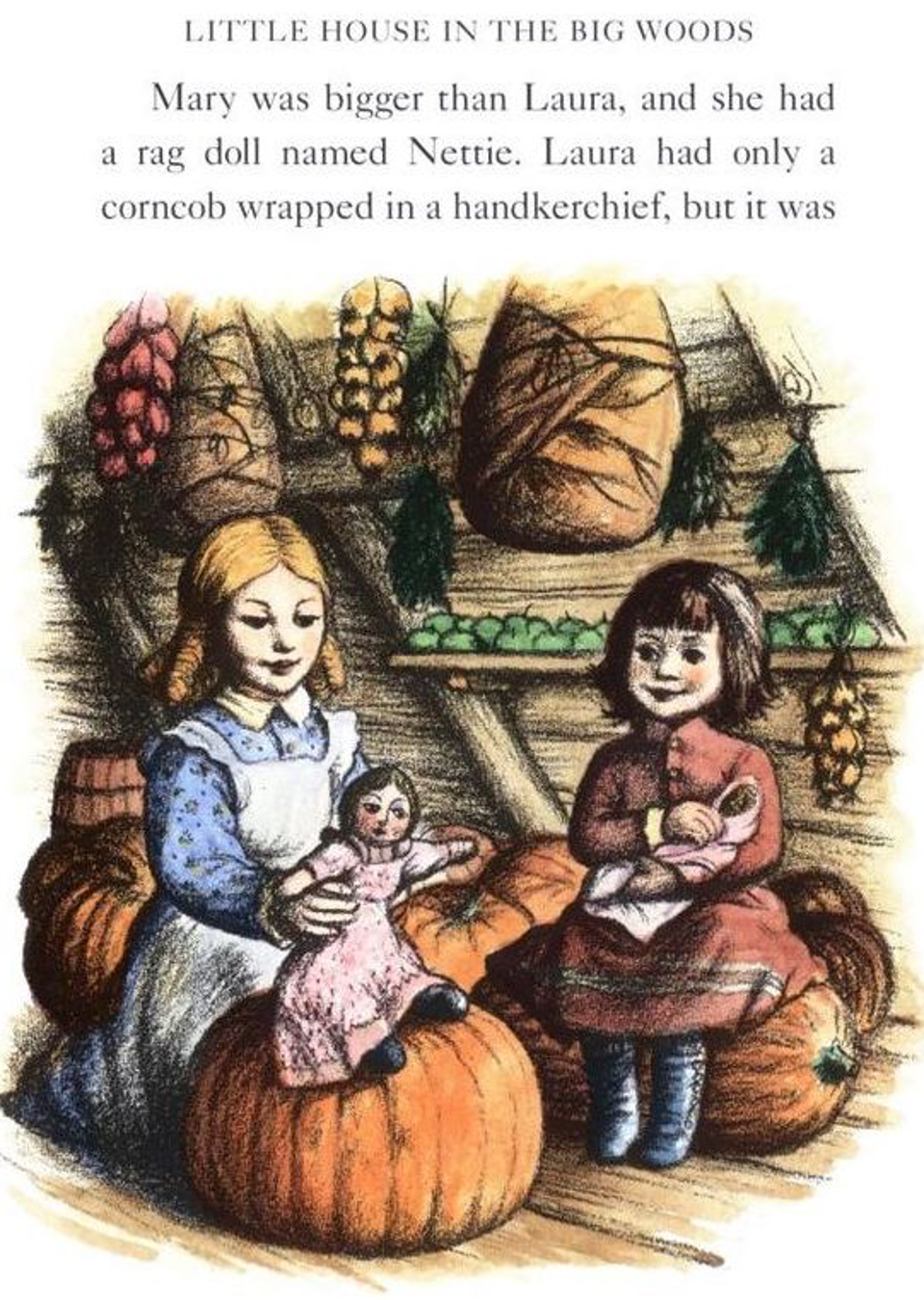
Laura and Mary Ingalls, our favorite frenemies
Frenemies? We love these young heroines of the Little House series, we really do. It’s just that our mom had a way of saying “If Laura and Mary could ___________ then you can certainly __________,” and no one likes to be measured against the fortitude of a gutsy pioneer schoolgirl and her gentle, blind sister when it’s time to do the dishes.
But Mom was right. We were absolutely shaped for the better by these two, in spite of our peevish resistance. Who could forget the image of the sisters twisting hay into sticks with blue and blistering fingers all throughout The Long Winter, with nary a complaint? Or entertaining themselves with common things like stumps, buttons, rag dolls, and the occasional pig’s bladder? They worked hard, obeyed their parents (for the most part) and kept a cheerful attitude. As we were often reminded. 😉d
For more about this book and lots of fun ways to share it,
see our Creative Teaching Ideas for Little House in the Big Woods.
Second, there are mentors of mindset.
Just three fine examples . . .
A Wrinkle in Time by Madeleine L'Engle

Meg Murry, our favorite geek
In A Wrinkle in Time, Meg was was shy and “different,” but also heroic and smart and cool. Identifying with her helped us not feel so nerdy and alone in our bookish, from-a-farm-and-not-suburbia awkwardness. She helped us realize the value of not being like everyone else, of being who you are and doing your thing with your whole heart and mind.
She also made us geeky Trekkies want to learn even more about astronomy. And how to tesser.
For more about this book and lots of fun ways to share it,
see our Creative Teaching Ideas for A Wrinkle in Time.
(We've got a video workshop for kids, too.)
Anne of Green Gables by L. M. Montomery
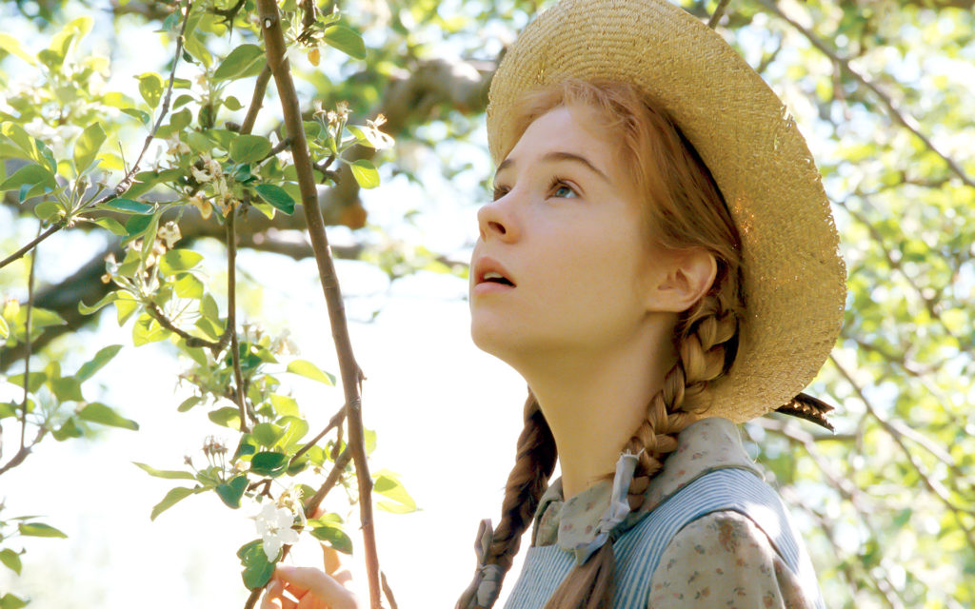
Anne Shirley, our favorite dreamer.
This may be as obvious as pointing out that puffed sleeves are prettier than plain sleeves, but Anne of Green Gables was able to make everything better, fueled by her love of romantic literature and nature. She definitely made us want to read more—she and Louisa May Alcott sent us down more literary rabbit holes than any other authors. It's thanks to Anne that we memorized "The Highwayman," and fell in love with the poetry and stories of Sir Walter Scott.
She also inspired us with her choice to see the world around us, and in us, through a magical mist of beauty and wonder and, occasionally, a dose of denial.
What a gift.
For more about this book and lots of fun ways to share it,
see our Creative Teaching Ideas for Anne of Green Gables.
(Our video workshop for kids is in the works—check here to see if it's up!)
Tom Sawyer by Mark Twain
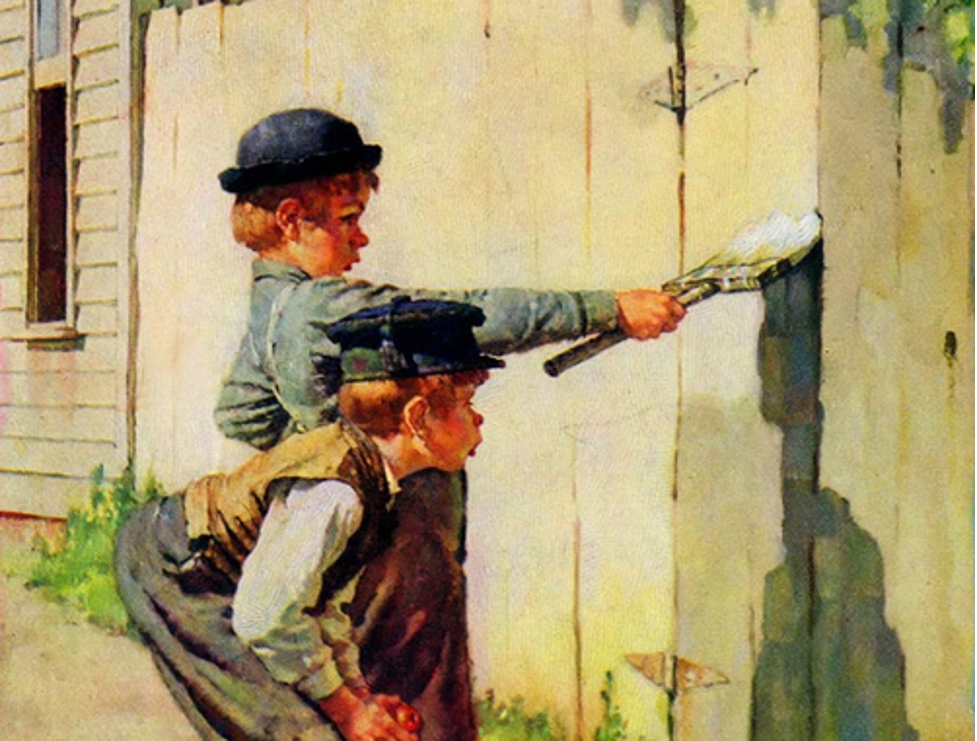
Tom, our favorite entrepreneur.
Tom Sawyer taught us how to make any job seem more enjoyable, and not just so you can lure someone else into doing it. His sales pitches really did make whitewashing sound fun, which proved that “it’s all how you look at it!” Since then we’ve painted plenty of fences—and barns and bathrooms and bedrooms, and performed a thousand other chores with a little more zest and finesse. People rarely come begging to do it for us, but there’s always hope. Hey, want to watch us weedwhack six acres next weekend?
And finally, there are the cautionary characters.
Two of our favorites . . .
The Adventures of Pinocchio by Carlo Collodi
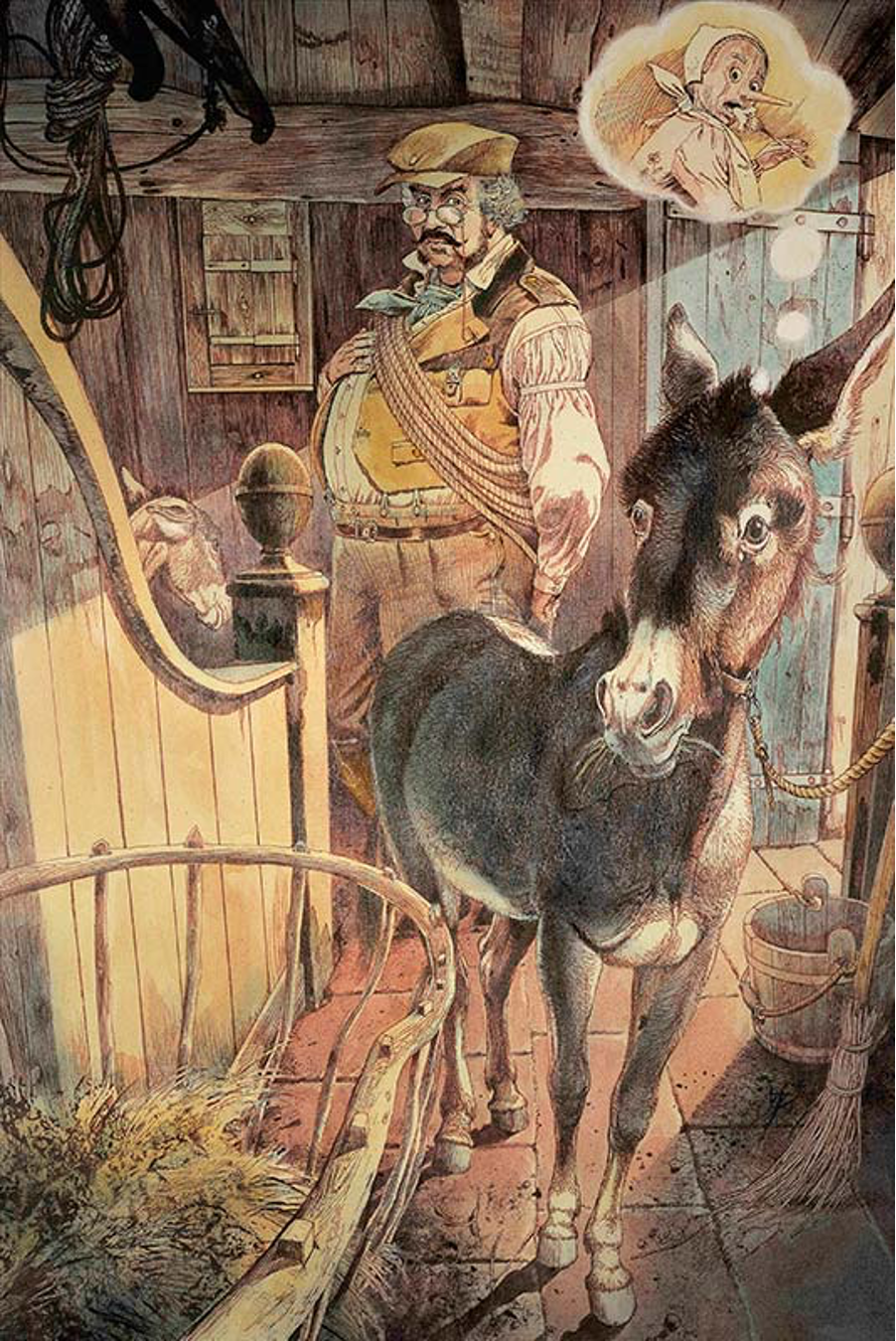
Pinocchio on a bad (hair) day—our favorite anti-hero
Pinocchio made so many poor choices in friends it very nearly turned him into an ass! His ingratitude and thoughtlessness frustrated us, and we’ve never forgotten how it felt to watch him flounder and almost come to ruin–and to watch the ever-sacrificing Gepetto suffer for it. Pinocchio mentored us in “what not to do,” and probably saved us from dining on hay ourselves.
For more about this book and lots of fun ways to share it,
see our Creative Teaching Ideas for The Adventures of Pinocchio.
The Wind in the Willows by Kenneth Grahame
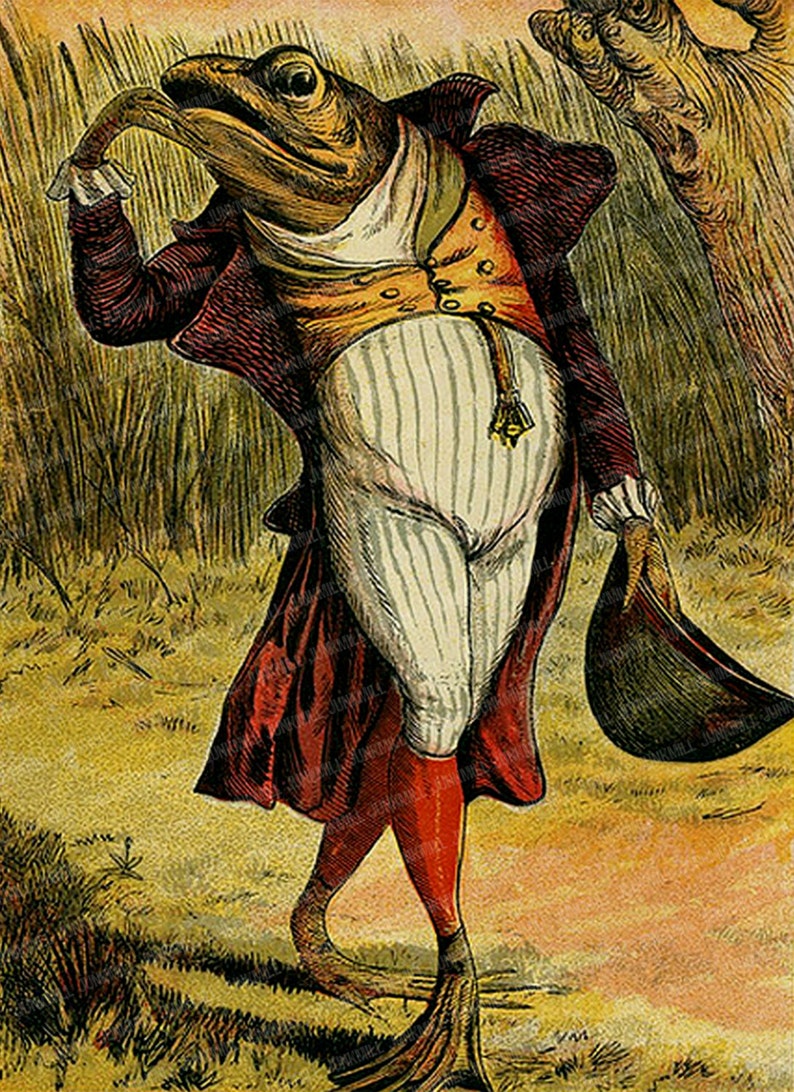
Toad of Toad Hall, our favorite rascal
Toad, in The Wind in the Willows, was incorrigible and narcissistic, a terror in a Harris tweed suit. Sometimes he’d seem to be headed for reform, but then, just when we thought he’d learned his lesson, he’d slip right back into his old ways, bellowing about his pride and his good looks and his insatiable need for speed. We loved him and loved to hate him and, through all his dramatic mayhem, we learned the meaning of “fool” and how not to be one. (For the most part).
For more about this book and lots of fun ways to share it,
see our Creative Teaching Ideas for The Wind in the Willows!
We could go on and on, but this is the short list. You get the idea. The point is, the characters in books mentored us by their example. They showed us how to make decisions, choose friends, press on, take the high road, dig deep, and survive. They showed us the steps they took, so we could learn from their mistakes and turn out the better for it.
We might even, someday, be as awesome as Laura and Mary.